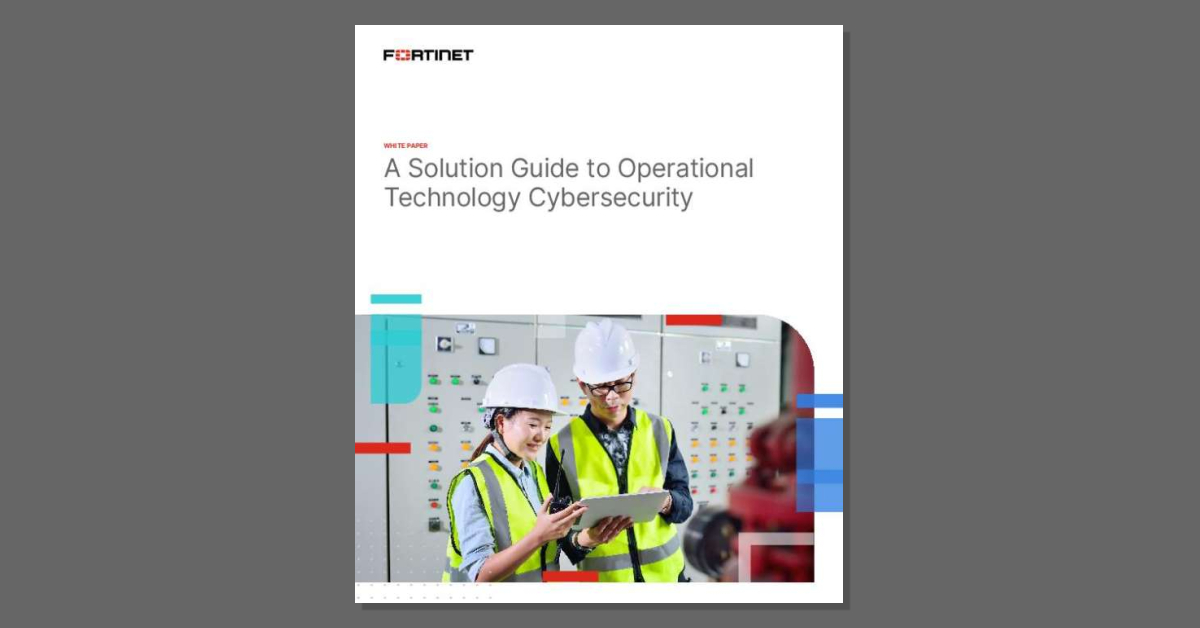
Organizations are rethinking OT cybersecurity because the traditional **air gap** between IT and OT has largely disappeared.
Historically, industrial control systems (ICS) and broader OT environments were **isolated** from IT and the internet. That isolation reduced cyber risk, so security was often not a design priority. Today, that has changed for several reasons:
- Digital transformation in OT: Plants and critical infrastructure now rely on cloud applications, AI, IoT/IIoT, and smart devices to improve efficiency, safety, and real-time decision-making. These tools connect OT to IT and external networks.
- Erosion of the air gap: As OT connects to IT, OT systems are now exposed to the same threats IT has faced for years—plus the added risk of physical impact if industrial processes are disrupted.
- Rising attack activity: Cyberattacks on OT systems have surged by 73% in the last year. Nearly 50% of OT security professionals surveyed reported one or more incidents in the past year, with impacts including brand damage, loss of critical data, and reduced productivity.
- High-consequence targets: OT runs power grids, water systems, manufacturing plants, pipelines, and transportation. A successful attack can affect public safety and economic stability, not just corporate data.
- Workforce and maturity gaps: About 52.6% of the ICS/OT cybersecurity workforce has five years or less experience, and less than half hold OT-specific certifications. Many environments still lack basic security hygiene, segmentation, and monitoring.
As a result, organizations are moving from a mindset of “OT is safely isolated” to one where OT is treated as a connected, cyber-physical environment that needs structured, ongoing protection—similar to IT, but with a stronger focus on **operational continuity and safety**.




 Sign in with LinkedIn